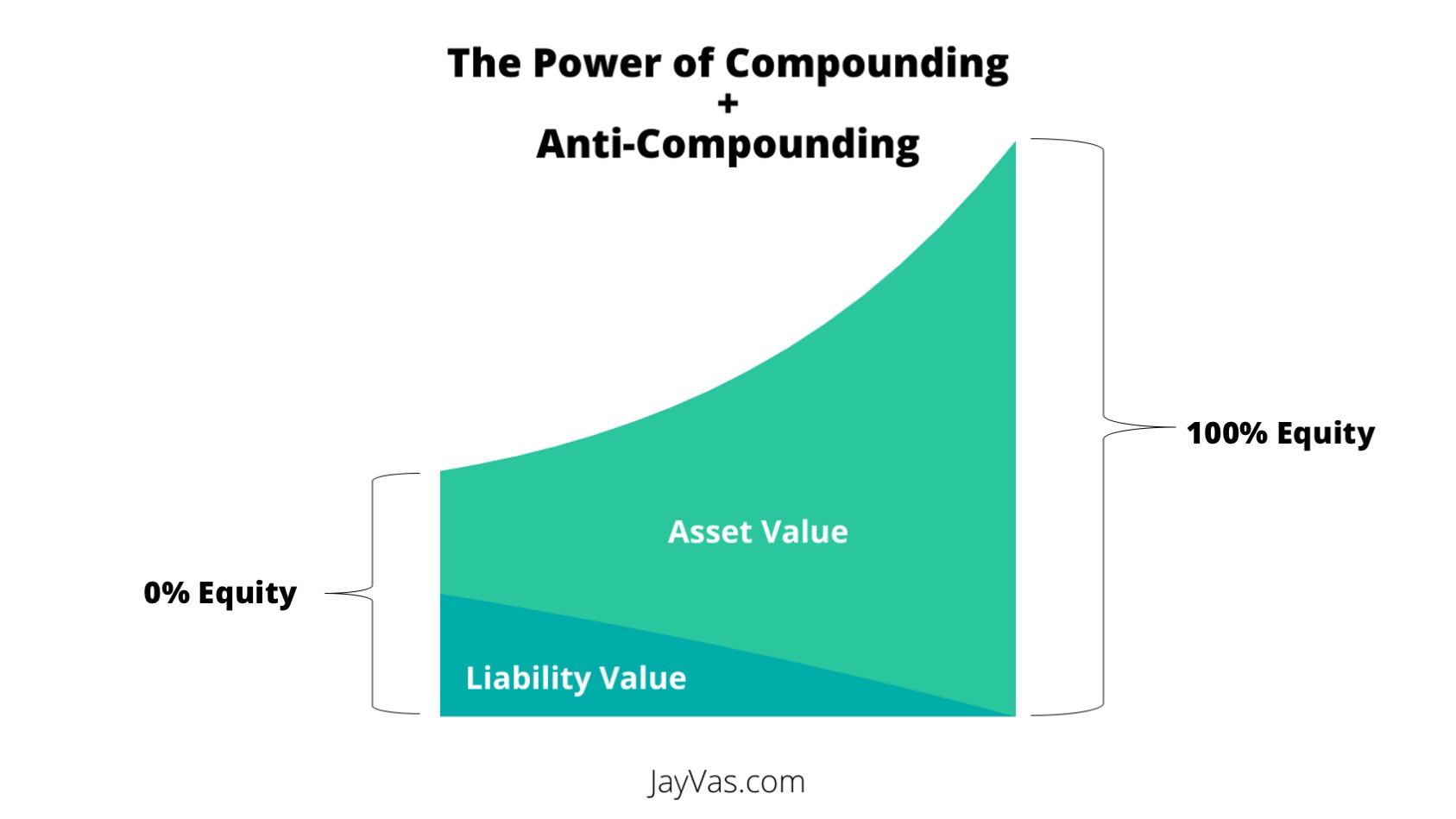
Investing with borrowed money, often called leveraging, can be a powerful way to amplify your potential returns. However, using a loan to invest comes with significant risks and requires careful planning and a thorough understanding of both investment and loan dynamics. This article provides a comprehensive guide on how to use a loan to invest wisely, balancing potential rewards with prudent risk management.
Why Consider Using a Loan to Invest?
Borrowing to invest allows you to:
- Increase your investment capital: More money means the possibility of higher returns.
- Take advantage of opportunities: Acting quickly when investment opportunities arise.
- Build wealth faster: Leveraging can accelerate growth in favorable markets.
However, it’s important to remember that borrowing magnifies losses as well as gains, making this approach suitable only for informed and risk-tolerant investors.
Types of Loans Commonly Used for Investing
1. Home Equity Loans and Lines of Credit (HELOCs)
- Use the equity in your home as collateral.
- Generally offer lower interest rates than unsecured loans.
- Flexible borrowing and repayment options.
2. Personal Loans
- Unsecured loans that do not require collateral.
- Higher interest rates compared to secured loans.
- Faster approval but limited borrowing amounts.
3. Margin Loans
- Offered by brokerage firms to borrow against your investment portfolio.
- Allows you to buy more securities than your cash balance.
- Interest rates vary and margin calls can force asset liquidation.
4. Business Loans
- Used by entrepreneurs to invest in their businesses.
- Requires a solid business plan and potential collateral.
Steps to Use a Loan to Invest Wisely
1. Evaluate Your Financial Situation
Before borrowing:
- Assess your current debt levels.
- Ensure you have a stable income and emergency savings.
- Understand your risk tolerance.
2. Set Clear Investment Goals
Define:
- What you want to achieve (e.g., capital appreciation, income generation).
- Your investment timeframe.
- The acceptable level of risk.
3. Research Investment Options
Choose investments that:
- Align with your goals and risk profile.
- Have a track record of consistent returns.
- Are liquid enough to sell if needed.
4. Compare Loan Options
Look for loans with:
- Competitive interest rates.
- Favorable terms and repayment schedules.
- Minimal fees and penalties.
5. Calculate Potential Returns vs. Costs
- Estimate expected investment returns.
- Deduct loan interest and fees.
- Ensure potential profits justify borrowing costs.
6. Develop a Repayment Plan
- Plan to repay the loan even if investments underperform.
- Avoid relying solely on investment gains to cover debt.
Risks of Using Loans to Invest
- Market Volatility: Investments can lose value, leaving you with debt and losses.
- Interest Costs: High loan interest can erode profits.
- Margin Calls: For margin loans, a drop in portfolio value can force you to repay immediately.
- Overleveraging: Borrowing more than you can repay increases financial vulnerability.
Tips for Successful Investment Using Loans
- Start small and gradually increase borrowing as you gain experience.
- Diversify your investments to spread risk.
- Keep a cash reserve for loan payments in case of market downturns.
- Monitor both your loan and investment performance regularly.
- Consult with financial advisors or investment professionals.
Conclusion: Borrowing to Invest Requires Caution and Strategy
Using a loan to invest can be a viable strategy for growing wealth, but it is not without significant risks. Proper planning, research, and financial discipline are critical to avoid pitfalls and maximize potential rewards. Only consider leveraging if you fully understand the risks and have a robust plan for managing debt and investments.