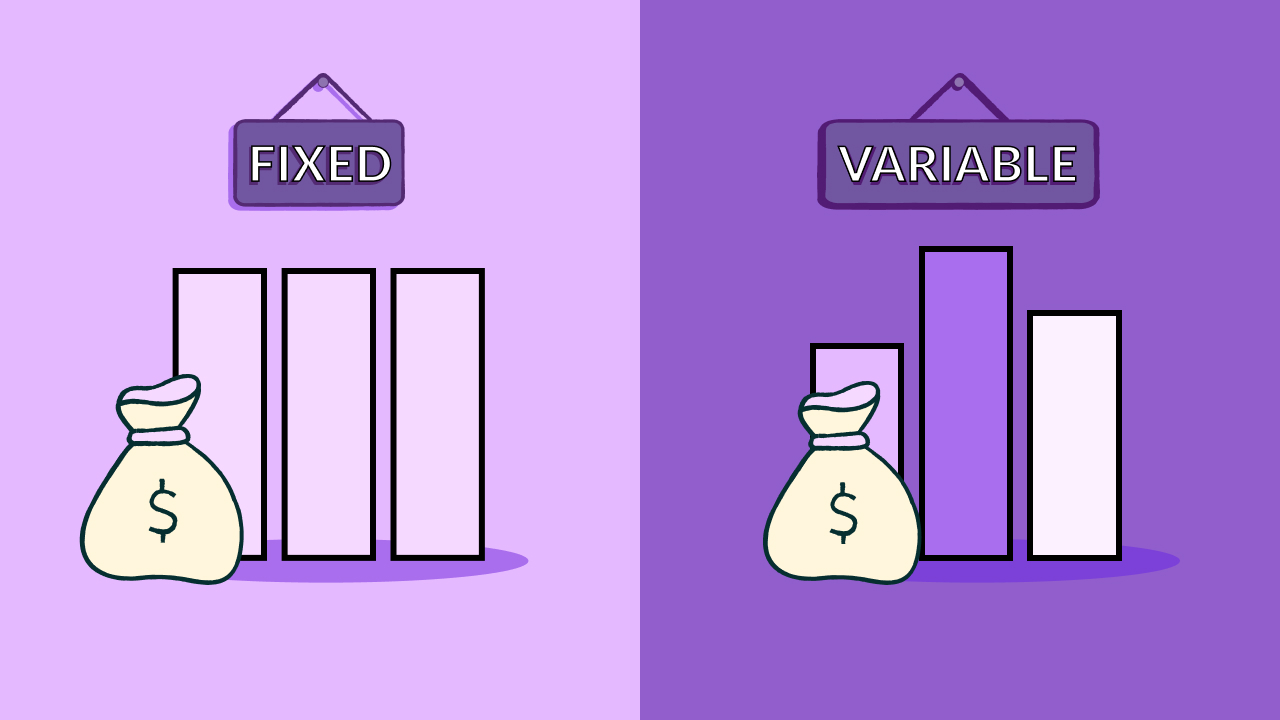
When considering a loan, one of the most important decisions is choosing between a fixed rate and a variable rate loan. This choice impacts your monthly payments, total interest costs, and financial stability over the life of the loan. Understanding the differences between these loan types can help you select the option that best aligns with your financial goals and risk tolerance.
This comprehensive article delves into the characteristics, advantages, and disadvantages of fixed rate and variable rate loans, providing the clarity you need to make an informed borrowing decision.
What Is a Fixed Rate Loan?
A fixed rate loan features an interest rate that remains constant throughout the entire loan term. Your monthly payments for principal and interest stay the same, offering predictability and stability.
Key Features of Fixed Rate Loans:
- Interest rate locked for the duration of the loan.
- Predictable monthly payments.
- Easier budgeting without surprises.
- Commonly used for mortgages, personal loans, and auto loans.
What Is a Variable Rate Loan?
A variable rate loan has an interest rate that fluctuates over time based on an underlying benchmark or index, such as the prime rate or LIBOR. As interest rates rise or fall, your loan payments adjust accordingly.
Key Features of Variable Rate Loans:
- Interest rate changes periodically, often tied to an economic index.
- Monthly payments may increase or decrease.
- Initial rates are often lower than fixed rates.
- Common in adjustable-rate mortgages (ARMs), some personal loans, and lines of credit.
Pros and Cons of Fixed Rate Loans
Pros:
- Payment Stability: Fixed monthly payments make budgeting easier.
- Protection from Interest Rate Increases: Your rate won’t rise even if market rates increase.
- Simplicity: Easier to understand and plan for over the long term.
Cons:
- Higher Initial Rates: Fixed rates are usually higher than variable rates at loan initiation.
- Less Flexibility: You cannot benefit from falling interest rates unless you refinance.
Pros and Cons of Variable Rate Loans
Pros:
- Lower Initial Rates: Often start with lower interest rates than fixed loans.
- Potential Savings: Payments may decrease if market interest rates fall.
- Flexibility: Some variable loans have caps limiting how much rates can increase.
Cons:
- Payment Uncertainty: Monthly payments can rise, leading to budgeting challenges.
- Risk of Higher Costs: Rising rates can substantially increase total loan cost.
- Complexity: Requires understanding of how interest rates are determined and adjusted.
When to Choose a Fixed Rate Loan
- You prefer predictable payments and financial stability.
- You plan to keep the loan for a long term and want to lock in a rate.
- Your budget cannot accommodate potential payment increases.
- You expect interest rates to rise in the near future.
When to Consider a Variable Rate Loan
- You want to take advantage of lower initial rates.
- You anticipate paying off the loan quickly or refinancing before rates rise.
- You have flexibility in your budget to absorb potential payment increases.
- You believe interest rates will stay stable or decline.
Common Scenarios: Fixed vs. Variable Rate Loans
Mortgage Loans
- Fixed-Rate Mortgage: Popular among homeowners who plan to stay in their home long-term and value consistent payments.
- Adjustable-Rate Mortgage (ARM): Suitable for buyers who expect to sell or refinance before the adjustable period begins.
Personal and Auto Loans
- Typically offered as fixed rate loans, providing predictable repayment schedules.
- Variable rates are less common but may be available with lines of credit or special loan products.
Important Factors to Consider
- Loan Term: Longer terms favor fixed rates to avoid exposure to rising rates.
- Financial Situation: Evaluate your income stability and ability to handle payment fluctuations.
- Market Conditions: Consider current interest rate trends and economic forecasts.
- Refinancing Options: Determine if you have the ability to refinance if rates change.
Conclusion: Choosing Between Fixed and Variable Rate Loans
Selecting between a fixed and variable rate loan depends on your personal financial situation, risk tolerance, and market outlook. Fixed rate loans offer security and predictable budgeting, while variable rate loans may provide cost savings and flexibility but come with greater risk.
Carefully weigh the pros and cons of each loan type, and consult with financial professionals if necessary to ensure your choice supports your long-term financial wellbeing.